The Enduring Soul of the British Roadside Haven
The coaching inn belongs to one of Britain”s most enduring travel traditions. Before railways transformed long-distance journeys, horse-drawn coaches linked towns, cities and ports through a demanding network of roads. Inns provided far more than a drink beside the hearth. They offered food, beds, stabling, fresh horses, news from elsewhere and a moment of respite for travellers who might spend eight or nine days on the road between London and Edinburgh. The romance of that world is powerful, but its reality was practical, communal and often uncomfortable.
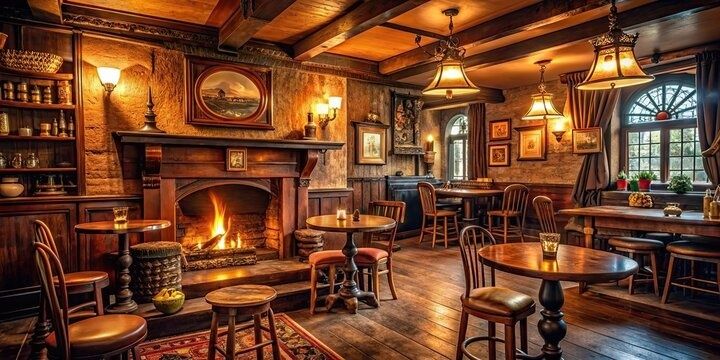
An authentic inn today should therefore be understood as a living building rather than a stage set. Genuine character lies in the way a property has adapted through changing forms of travel, ownership and domestic expectation. A beam may be centuries old, while the kitchen, bathrooms and fire systems are entirely contemporary. The quality of the experience depends on how naturally those layers coexist, without burying the building beneath tartan, horse brasses and deliberately distressed furniture.
For the modern discerning traveller, the attraction is precisely this balance. A good coaching inn offers a sense of place that a standardised hotel cannot easily reproduce, while still providing a quiet room, dependable heating, thoughtful service and a well-managed restaurant. The ideal stay feels neither like rough historical reenactment nor like a new hotel wearing borrowed costume. It feels like a gracious continuation of the building”s original purpose: welcoming people on the road.
Architectural Bones and the Language of Carriage Ways
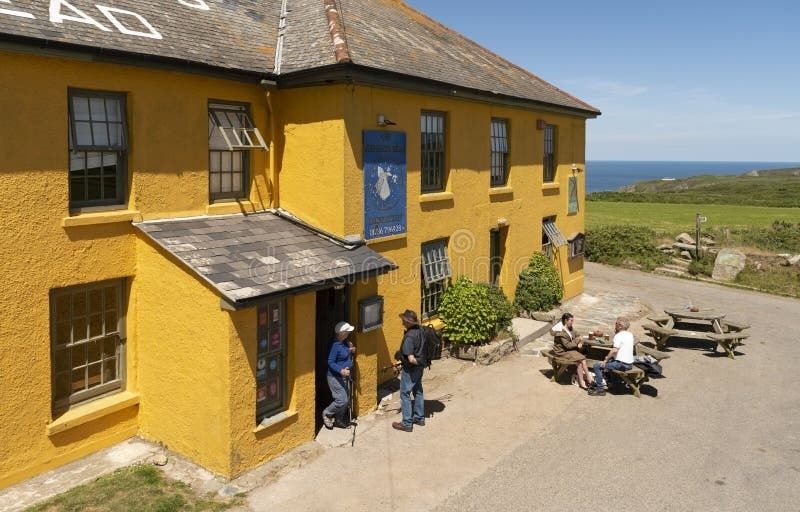
The plan of a historic coaching inn often reveals more than its decoration. Wide entrances or archways allowed carriages to pass into sheltered yards, where horses could be watered, changed or stabled. Timber framing reflects local craft traditions and the availability of materials, while thick masonry walls, projecting upper storeys and enclosed galleries helped create rooms around a protected working space. Some inns developed from earlier monastic hospices; others grew alongside the stagecoach services that expanded from the seventeenth century onwards.
Surviving examples vary considerably. The George Inn is described as London”s only surviving galleried coaching inn, with parts dating from its rebuilding after the Great Fire of Southwark in 1676. Elsewhere, a former yard may have become a restaurant terrace, a stable block may contain bedrooms, and a carriage entrance may now lead to a reception area. Such changes are not necessarily compromises. They can demonstrate that a building remains useful, provided the new function respects the original proportions and circulation.
Historic photographs can be especially valuable when judging what has survived and what has been reconstructed. The Yale Center for British Art”s exhibition Photographs reveal “Relics of Old London” examined images made between 1875 and 1886 by the Society for Photographing Relics of Old London. The campaign recorded buildings threatened by redevelopment, including the Oxford Arms, a decaying seventeenth-century coaching inn photographed shortly before demolition. Such documentation reminds visitors that preservation is not simply about freezing a building in time. It is about understanding its fabric before carefully accommodating the next chapter.
- Look for proportion. A genuine carriage arch, yard or gallery usually relates convincingly to the rest of the building rather than appearing as an isolated decorative feature.
- Ask about surviving fabric. Reused beams, original staircases, masonry walls and historic roof structures may be identified by a conservation statement or informed staff.
- Notice the relationship with the street. A true roadside inn often has a practical connection to the old route, village centre, market place or former coaching road.
- Accept adaptation. Modern glazing, discreet lighting and accessible entrances can support heritage rather than diminish it when designed with care.
The Connoisseurs Guide to Genuine Character versus Theme Park Rusticity
Age alone does not guarantee an authentic experience. Several popular claims about England”s oldest pub or inn have little documentary support. Ye Olde Fighting Cocks in St Albans, for example, is associated with a date of 793 that appeared on an early twentieth-century postcard, while the present building incorporates a dovecote from around 1400 and is documented as serving beer by 1807. The Bingley Arms” alleged 953 origin is similarly unsupported, and the Domesday Book does not mention it or any pubs.
The distinction matters because a genuinely old building does not need an exaggerated legend. Among surviving purpose-built inns, the George Inn in Norton St Philip has one of the strongest claims to being England”s earliest, originating in the late fourteenth century. Other important medieval examples include Gloucester”s New Inn, begun in 1432, and Henry Tudor House in Shrewsbury, whose oldest section dates to 1426. The broader lesson, explored by historic building research, is that evidence is more compelling than a dramatic date painted above the bar.
Character is also sensory. Flagstones become subtly uneven where generations have walked across them. A fireplace may draw with a faint change in pressure when the front door opens. Timber acquires a depth of colour from age, handling, smoke and repeated polishing that manufactured “antique” furniture cannot convincingly imitate. None of these details should be romanticised to the point of discomfort, but they offer a quiet physical connection to the building”s past.
| Genuine historic character | Manufactured rusticity |
|---|---|
| Original or carefully retained timber, masonry and roof structures | New timber beams applied as surface decoration |
| Uneven flagstones and wear consistent with long use | Factory-distressed flooring installed to imitate age |
| A carriage yard that relates to the building”s former function | A decorative courtyard with no historical or practical connection |
| Furniture selected for comfort and regional relevance | Mass-produced stools, barrels and horse-themed ornaments |
| Legends presented with appropriate uncertainty | Unverified dates promoted as established fact |
| Modern services discreetly integrated into old fabric | Period styling used to excuse poor heating, bathrooms or service |
Elevating the Hearth with Modern British Gastronomy
The historic inn was never merely a drinking place. Travellers needed a reliable meal, and the kitchen had to serve people arriving at different hours, often after difficult journeys. The mail-coach supper stop was practical and sociable, with food that could be prepared efficiently for guests who might not stay long. Today, that role can evolve into destination dining without losing its welcome.
The strongest modern examples make locality tangible. Menus may feature carefully sourced game, estate-grown vegetables, heritage grains, regional cheeses and fish selected according to season. Artisan ales and well-kept cask beer remain important because the bar is part of the inn”s identity, not simply an adjunct to the restaurant. The historic Great North Road, once a major route between London and Edinburgh, offers a useful perspective on this tradition. Its inns carried travellers, stories and provisions through changing communities, and the surviving establishments continue to embody that relationship between road, table and locality.
Fine dining should not make an inn feel exclusive. A thoughtfully run property can offer a polished dining room for a considered supper, a comfortable bar for a pint and a plate of something warming, and a breakfast that respects British ingredients without unnecessary ceremony. This democratic quality is central to the coaching-inn spirit. A guest arriving in walking clothes should feel as welcome as a couple celebrating an anniversary, with the same care expressed through different levels of formality.
- Seasonal menus should reflect what the kitchen can source well, rather than forcing an identical selection throughout the year.
- Local provenance is most meaningful when staff can explain the producer, estate or regional tradition behind an ingredient.
- The bar should stand on its own. Good ales, thoughtful wines, alcohol-free choices and simple food keep the inn welcoming beyond dinner service.
- Breakfast deserves attention. Fresh bread, quality preserves, well-cooked eggs and regional specialities often say more about hospitality than elaborate evening presentation.
Bedchambers Reimagined Through Uncompromising Comfort
A coaching inn bedroom should acknowledge its irregularities without asking guests to endure them. Crooked floorboards, low lintels, exposed beams and winding staircases can provide an intimate sense of history, while a properly supportive mattress, generous towels and a reliable shower make the room genuinely restful. Egyptian cotton, woollen throws and a freestanding copper bath can sit comfortably within an old room when their design is restrained and their installation does not overpower the architecture.
The most successful refurbishments hide modern performance behind quiet surfaces. Acoustic insulation can be inserted beneath floors or behind period panelling, reducing the sounds of doors, kitchens and corridors. Heating controls, charging points, strong Wi-Fi and carefully positioned lighting should be easy to use but visually discreet. A historic atmosphere should never mean a cold room, an unreliable bathroom or a lack of practical space for luggage.
Conservation also requires discipline. Altering an ancient property may involve listed-building requirements, planning controls, fire safety standards, accessibility considerations and specialist structural advice. Owners and conservation architects need to understand the building before specifying new bathrooms, lifts, partitions or services, and may need to Request Access to relevant regulatory records. Securing Listed Building Consent from the relevant Local Planning Authority requires detailed consultation with published Historic England guidance and local conservation officers. The wider principle remains clear: responsible renovation begins with rigorous engagement with statutory heritage frameworks rather than with a decorative mood board.
- Read the room honestly. Check whether the property describes stairs, low ceilings, uneven floors or limited accessibility before booking.
- Prioritise sleeping comfort. A beautiful room is not successful if it allows noise, draughts or poor temperature control to disturb rest.
- Look for discreet technology. USB charging, dependable Wi-Fi, lighting controls and modern plumbing should support the stay without competing with the period details.
- Consider the wider experience. A bedroom is only part of the proposition, so check dining hours, parking arrangements, arrival access and whether the inn suits a quiet weekend or a lively village visit.
Finding Your Own Sanctuary on the Historic King’s Highway
The enduring appeal of the coaching inn lies in its generosity. These buildings were created for people in motion, yet their best modern expression encourages guests to slow down. A fire, a well-poured drink, a seasonal supper and a deeply comfortable bed can make a short journey feel restorative. The pleasure is heightened when the building”s history is legible, but it does not demand theatrical explanation at every turn.
For a considered countryside escape, use a simple checklist before booking:
- Does the property explain its history with evidence rather than relying only on an impressive legend?
- Are original features retained in a way that feels natural and well maintained?
- Can the rooms offer both period character and dependable contemporary comfort?
- Does the kitchen reflect its region, season and local producers?
- Will the atmosphere suit the intended stay, whether that means a quiet retreat, a convivial pub weekend or a celebratory dinner?
When those qualities align, the modern coaching inn becomes more than accommodation beside an old road. It becomes a particularly British form of hospitality, rooted in movement, community and welcome. Its luxury is understated because it is expressed through proportion, warmth, good food, sound sleep and the reassuring sense that the building has served travellers before and is ready to receive the next ones.