The Allure of the Verdant City Sanctuary
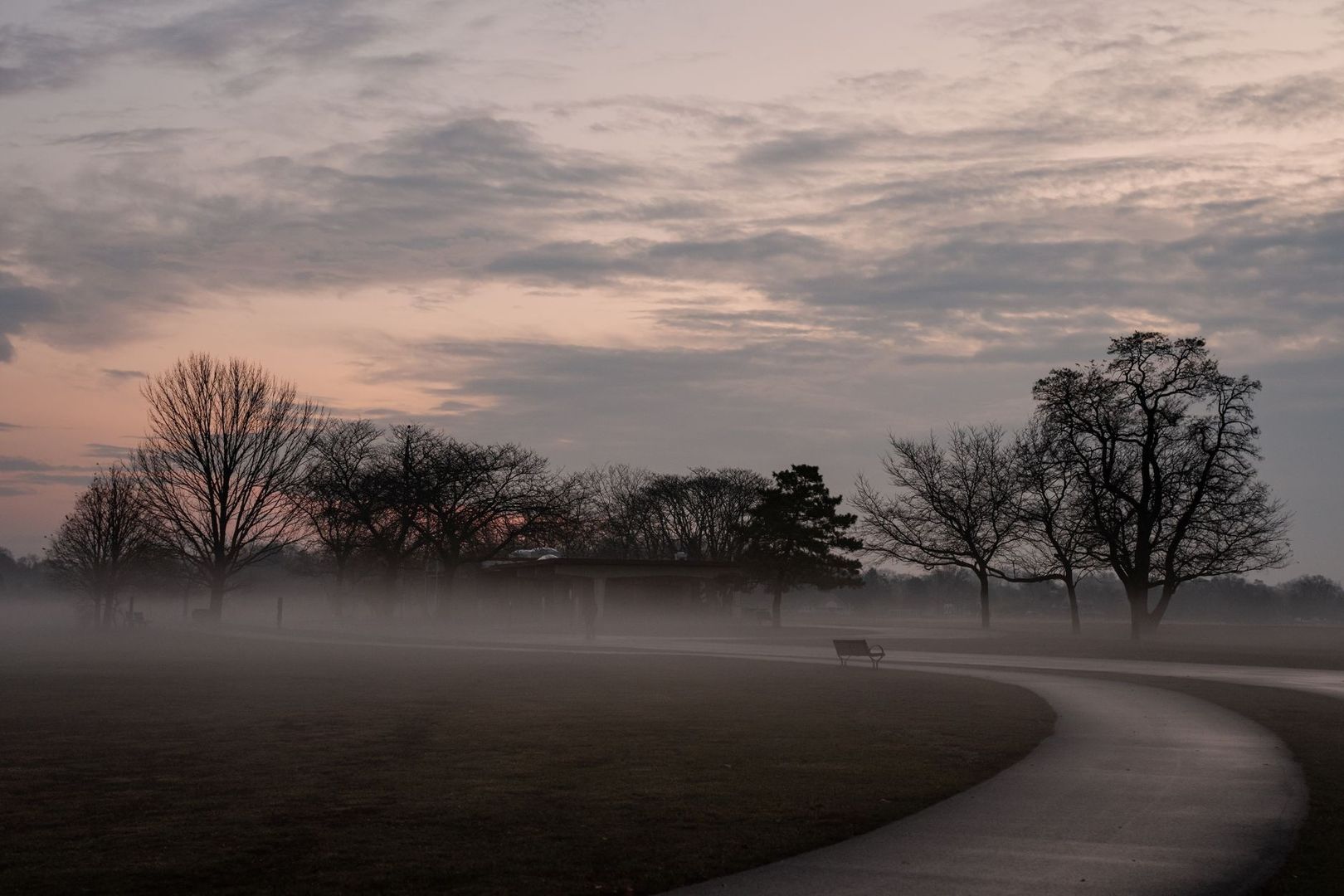
A city break often begins with a familiar sensory rush: taxis passing below the window, lifts sounding in the corridor, bright streets still active after midnight and the persistent mechanical hum of urban life. Even a beautifully appointed room can feel less restorative when the first moments of the day arrive with sirens, delivery vehicles and the hard reflection of buildings outside. Park-adjacent accommodation offers a more considered alternative. The city remains close, with galleries, boardrooms, restaurants and stations within easy reach, yet the immediate setting feels softened by trees, open lawns and a slower rhythm.
This is the essence of quiet luxury: not isolation, but thoughtful distance from unnecessary stimulation. A hotel beside a substantial city park can provide a natural acoustic and visual buffer, allowing the nervous system to settle before the day begins. For travellers who value sleep quality, the difference is tangible. Waking to filtered daylight, birdsong and a leafy horizon creates a more composed starting point than waking to traffic and concrete. For a refined stay in a city where access matters as much as atmosphere, exploring a parkside hotel stay can be a practical way to combine metropolitan convenience with genuine restoration.
Why Acoustic Buffers Determine Real Rest
Sleep is not simply a period in which the body switches off. It is an active sequence of biological processes that supports memory, immune function, mood and physical recovery. Environmental noise can interrupt that sequence even when a guest does not fully wake or remember the disturbance. Research on transportation noise and sleep has associated nocturnal exposure with increased heart rate, blood pressure and stress-related hormones including adrenaline, noradrenaline and cortisol. It has also linked noise with more frequent awakenings, lighter sleep and reductions in slow-wave and REM sleep.
The concern is particularly relevant in central hotels, where roads, rail lines, nightlife and early-morning servicing may create a changing soundscape throughout the night. A single abrupt siren may be less disruptive than a continuous background noise, but both can prevent the deeper stages of sleep that make a demanding itinerary feel manageable. The research on environmental noise and sleep explains why understanding nocturnal environmental noise and its effect on stress hormones helps clarify the importance of sound insulation and green buffers.
A mature park cannot silence a city completely, nor should it be presented as a guarantee of perfect quiet. Its value lies in moderation. Dense planting, tree canopies, earth contours and open setbacks help interrupt the direct path of harsh sounds, while the softer sounds of leaves, birds and distant activity can make the remaining urban noise less intrusive. This acoustic effect is strongest when the hotel is not merely near a small landscaped square, but faces a meaningful area of connected greenery with limited immediate traffic.
- Rooms should be positioned away from major roads, service entrances, rooftop plant and late-night venues.
- Triple-glazed windows and well-sealed frames are valuable, particularly on lower floors or park-facing elevations.
- Quiet heating and cooling systems matter because mechanical hum can be more noticeable once outside traffic has receded.
- Blackout curtains, comfortable pillows and breathable bedding help protect sleep from both environmental and physical disturbance.
- A clear option to request a quiet room should be part of the booking conversation, especially for early meetings or long-haul arrivals.
Hotel research reinforces the importance of these details. A study of 609 frequent business and leisure travellers found that sleep satisfaction was associated with overall hotel satisfaction, while uncomfortable pillows, bedding and noise from heating or air-conditioning reduced the quality of the sleep experience. The finding is a useful reminder that luxury is often experienced through small practical decisions: a properly sealed window, a silent bedside system and a bed that supports uninterrupted recovery.
The Science of Morning Greenspace and Mental Clarity
The restorative appeal of a park view is more than a matter of interior design. A broad body of research associates access to greenspace with lower mental distress, anxiety and depression, as well as higher wellbeing and healthier cortisol profiles. The mechanisms are likely to overlap. Green settings encourage gentle physical activity, offer opportunities for social contact, reduce exposure to heat and pollution, and provide the kind of visual complexity that is less demanding than dense traffic, advertising and architecture.
Large-scale epidemiological work gives this relationship particular weight. A nationwide Danish study, described by NASA Earth Observatory, examined childhood exposure to green space among more than 940,000 people. Those with the least exposure during childhood were reported to have up to a 55 percent higher risk of developing certain psychiatric disorders later in life, although such observational findings show association rather than proving a single direct cause. For the traveller, the practical message is more immediate: regular contact with greenery appears to support psychological restoration, including in highly urbanised settings.
A morning walk beneath mature trees can be especially helpful after a demanding journey. Gentle movement encourages circulation without adding strain, while changing light, cooler air and botanical scents create a clear break from hotel interiors and transport environments. It is not necessary to pursue a strenuous run or a tightly scheduled wellness programme. Ten or twenty unhurried minutes around a park perimeter may be enough to establish a calmer cognitive baseline before presentations, shopping, sightseeing or long rail connections.
| City-centre waking experience | Parkside waking experience |
|---|---|
| Hard surfaces reflect traffic, construction and pedestrian noise. | Tree cover and open space can soften the immediate soundscape. |
| Views are often dominated by façades, signage and moving vehicles. | Leafy vistas provide visual variation with less visual demand. |
| Morning movement may require navigating busy pavements and junctions. | A park offers an accessible route for gentle walking soon after leaving the hotel. |
| Early activity begins in a highly commercial environment. | Daylight, birdsong and cooler planting create a quieter transition into the day. |
| Restoration often waits until a scheduled attraction or spa appointment. | Recovery can begin naturally before breakfast and before the itinerary gathers pace. |
Curating an Unhurried Morning Ritual by the Trees
The most successful parkside morning is simple enough to follow when tired. Keep walking clothes, comfortable shoes and a light layer ready the night before, so the transition from bed to outdoors requires no decision-making. A room with a park-facing balcony, veranda or large window can make the first stage feel especially seamless. Open the curtains gradually, drink water, allow natural light into the room and avoid filling the first minutes with messages or headlines.

Once outside, let the park set the pace. Birdsongs, shifting shadows and the cooler microclimate beneath a tree canopy provide gentle sensory information without demanding concentration. Research on greenspace and mental health identifies restoration, physical activity and positive psychological experiences as important pathways, while a mixed-methods study of older adults found that park access and outdoor engagement were associated with accounts of improved physical, mental and social wellbeing. These findings do not mean that a park replaces clinical care or guarantees a particular emotional outcome, but they support the value of making nature an accessible part of a travel routine.
- Begin with five quiet minutes at the window, using daylight rather than an alarm screen as the first visual focus.
- Dress for the weather and take a short route with no performance target, allowing the body to wake gradually.
- Pause somewhere with an open view, noticing temperature, birdsong and the changing quality of the morning light.
- Return for a calm breakfast with protein, fruit and fluids before beginning the day”s main activities.
- Protect a small pocket of quiet later in the afternoon, particularly after meetings, museums or extensive shopping.
This rhythm works because it establishes recovery before the city asks for attention. Afternoon sightseeing can then be enjoyed with more energy, while business travellers may arrive at a meeting feeling less hurried and more mentally organised. The aim is not to turn a city stay into a retreat with a rigid wellness schedule. It is to create a dependable baseline of calm, so that the excitement of the city feels chosen rather than overwhelming. A short return to the park after lunch can also prevent an itinerary from becoming a continuous sequence of interiors, pavements and transport.
Selecting the Ideal Parkside Accommodation
Location alone is not enough. A hotel may be advertised as close to a park while facing a six-lane road, a busy junction or a sports venue with late events. Before booking, examine the exact relationship between the building and the green space. A genuinely restorative property will usually have rooms that face the park, a meaningful setback from traffic and a route into the gardens that does not require crossing a complicated interchange. Mapping the immediate approach and checking recent guest comments can reveal details that a broad neighbourhood description leaves out.
Architectural features deserve equal attention. Triple glazing is particularly useful in exposed urban locations, while deep window reveals, planted terraces, solid doors and well-insulated walls can further reduce sound transmission. A veranda or balcony offers a pleasant visual connection, although it should not be assumed to provide privacy or silence. Direct garden access is valuable for early walks, but a secure entrance, good lighting and clear opening hours matter too. For guests balancing a conference schedule with restorative time, proximity to a station or airport transfer route can be an advantage, provided the room itself is protected from the associated noise.
- Ask about orientation: A park-facing room may be quieter than one overlooking a side street, even within the same building.
- Check the room systems: Confirm whether heating, cooling and ventilation operate quietly at night.
- Look for sleep-focused comfort: Blackout curtains, pillow choices, quality linen and a supportive mattress should be treated as essentials.
- Consider breakfast timing: Early service or in-room dining makes it easier to preserve a gentle morning routine.
- Assess access and maintenance: A well-kept park with safe paths and shaded seating is more useful than greenery that is difficult to enter.
- Review the wider setting: Parks can host concerts, matches or seasonal events, so check the local calendar for the dates of travel.
Hospitality details complete the experience. A discreet reception team can record a preference for a quiet, high-floor or park-facing room; housekeeping can work around a guest”s rest period; and a well-designed lounge can provide an alternative to noisy cafés for reading or preparing for a meeting. Thoughtful dining also matters. A breakfast served beside windows overlooking trees, a light supper after an evening event and reliable room service can reduce the need to navigate the city when the body is ready to wind down. These are modest interventions, but together they transform a convenient address into a genuinely rejuvenating base.
Embrace a More Restorative Way to Experience the City
The quiet luxury of waking beside a city park lies in the balance it creates. You remain close to the energy that makes metropolitan travel worthwhile, yet your immediate surroundings offer a softer acoustic field, a more spacious visual outlook and an easy invitation to move outdoors. Better sleep protects the quality of the day ahead, while a brief encounter with trees and open sky can help the mind recover from travel, meetings and constant decision-making.
Choosing parkside hospitality is therefore an investment in the entire itinerary, not merely in a pleasing view. Look for robust glazing, quiet rooms, comfortable bedding, reliable temperature control and direct access to a well-maintained green space. Then allow the setting to shape the stay: wake slowly, walk without a stopwatch and return to the city refreshed. On the next business trip or leisure escape, seek out a leafy horizon. The most memorable urban stay may begin not with a landmark, but with the quiet beyond the window.