Reclaiming the Gentle Pace of a Countryside Sunday Morning
There is a particular kind of haste that arrives with Sunday checkout. Bags are zipped before breakfast, coffee is swallowed rather than savoured, and the final hours of a countryside escape become a logistical exercise. Yet the restorative value of a rural stay often lies precisely in the absence of such pressure. A country inn offers the chance to wake to quiet, allow the day to gather slowly, and let the landscape remain part of the experience until the very last possible moment.
A more considered departure turns Sunday into a final chapter rather than an interruption. A long breakfast beside the hearth, followed by a woodland walk and a quiet drink before the journey home, creates a gentle transition from rural calm to weekday responsibility. This is slow travel in miniature: fewer demands, deeper attention, and enough space to notice the sensory details that busy schedules usually conceal. The aim is not simply to delay leaving, but to return home feeling properly restored.
The Ritual of the Lingering Breakfast by the Hearth
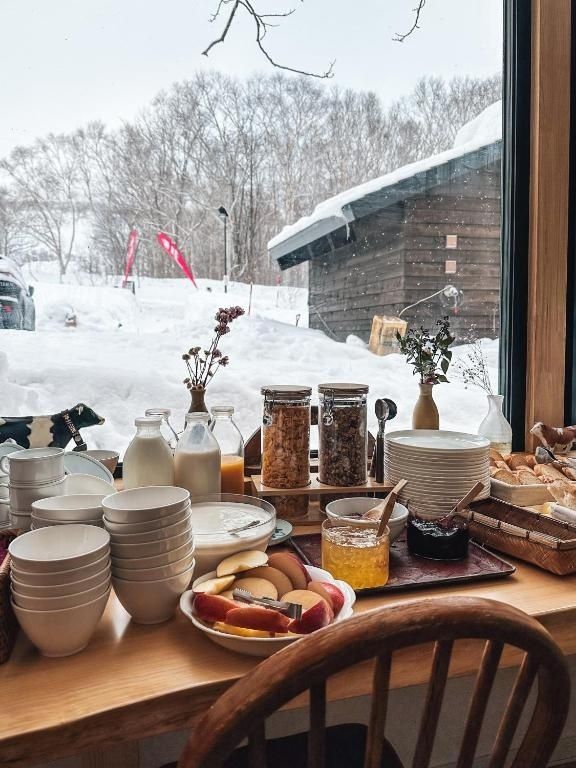
The best countryside breakfasts feel connected to their setting. A slice of well-made sourdough, still slightly warm from the kitchen, needs little embellishment beyond churned butter and a spoonful of estate jam. Eggs, mushrooms, sausages, fruit and dairy may come from nearby farms, while preserves reflect the season. These ingredients offer more than a pleasing menu. They provide a tangible sense of place, allowing the surrounding landscape to appear on the plate.
Breakfast by an open fire also has its own quiet theatre. Porcelain meets saucer, a newspaper turns softly, and logs settle with an occasional crackle. Conversation can be unhurried because there is no immediate attraction to reach or train to catch. The philosophy aligns with the wider principles of slow travel, which favour local food, regional character and meaningful time in one place rather than a succession of hurried stops.
Guests who would like to extend breakfast should make the request with consideration for the kitchen and dining-room team. The most helpful approach is to ask when booking, or to enquire discreetly on arrival about the latest available seating and the expected duration of service. This allows staff to protect the rhythm of the dining room while helping guests plan a leisurely meal. A few simple courtesies make a difference:
- Ask whether a later breakfast sitting is available rather than assuming the room remains open indefinitely.
- Confirm whether hot dishes must be ordered by a particular time.
- Tell the team about dietary requirements in advance whenever possible.
- Allow staff to clear and reset tables without treating a lingering meal as an exclusive reservation.
For many travellers, the appeal of farm and countryside stays lies in this combination of authenticity and ease. Expedia Group”s 2026 traveller research reports strong interest in farm stays, suggesting that guests increasingly value experiences shaped by local land, food and heritage. A breakfast that reflects those qualities can become one of the most memorable parts of the stay, especially when there is no need to rush away immediately afterwards.
Restorative Woodland Trails and Damp-Leaf Footpaths
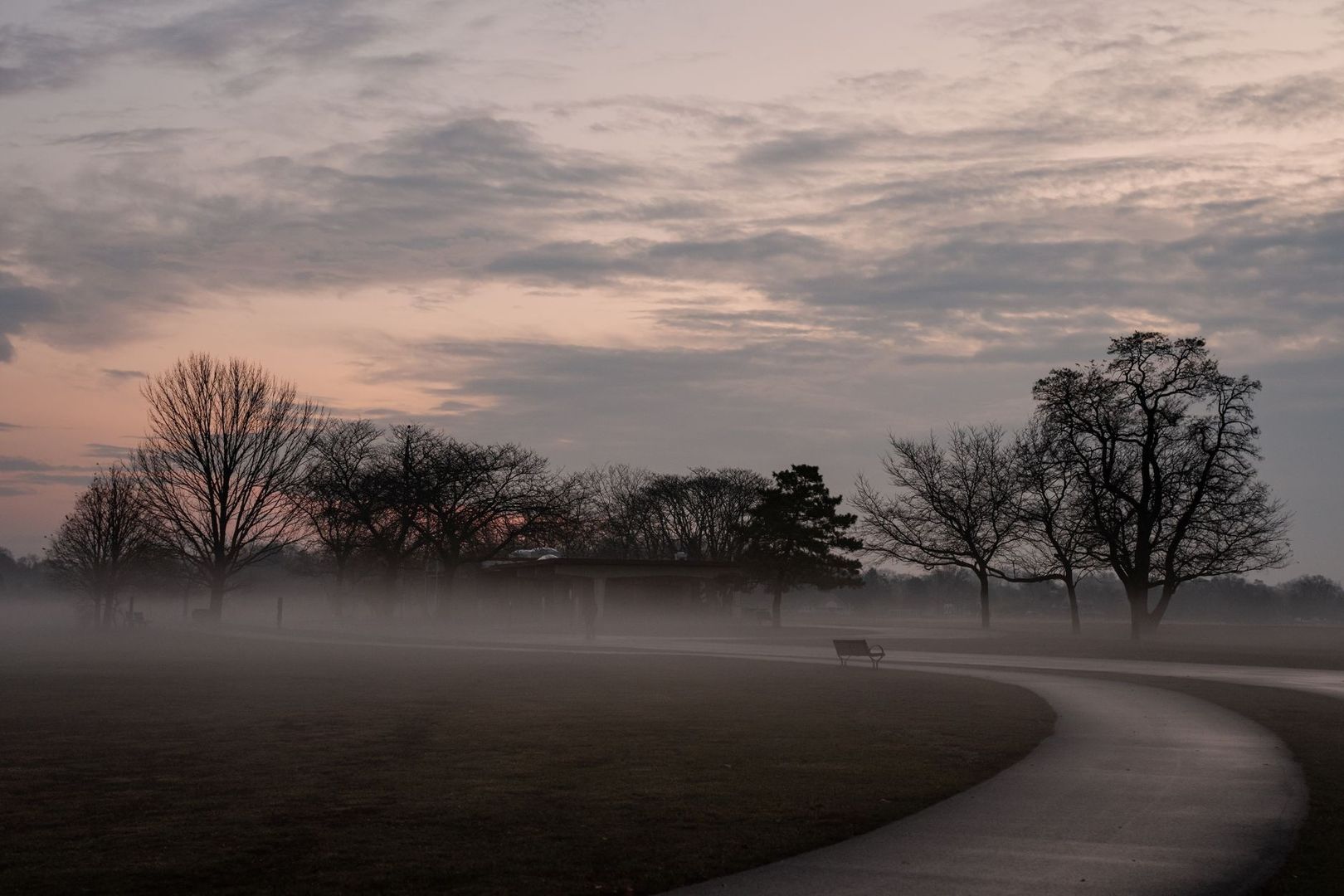
After breakfast, the woodland offers a natural change of pace. Canopy walks reduce the visual noise of roads, screens and built-up streets, while the repeated rhythm of walking can help settle a busy mind. Autumn adds its own texture: damp leaves compress beneath boots, branches hold beads of rain, and the air carries the earthy scent of moss, bark and wet soil. Even a modest route can feel expansive when attention is given fully to the surroundings.
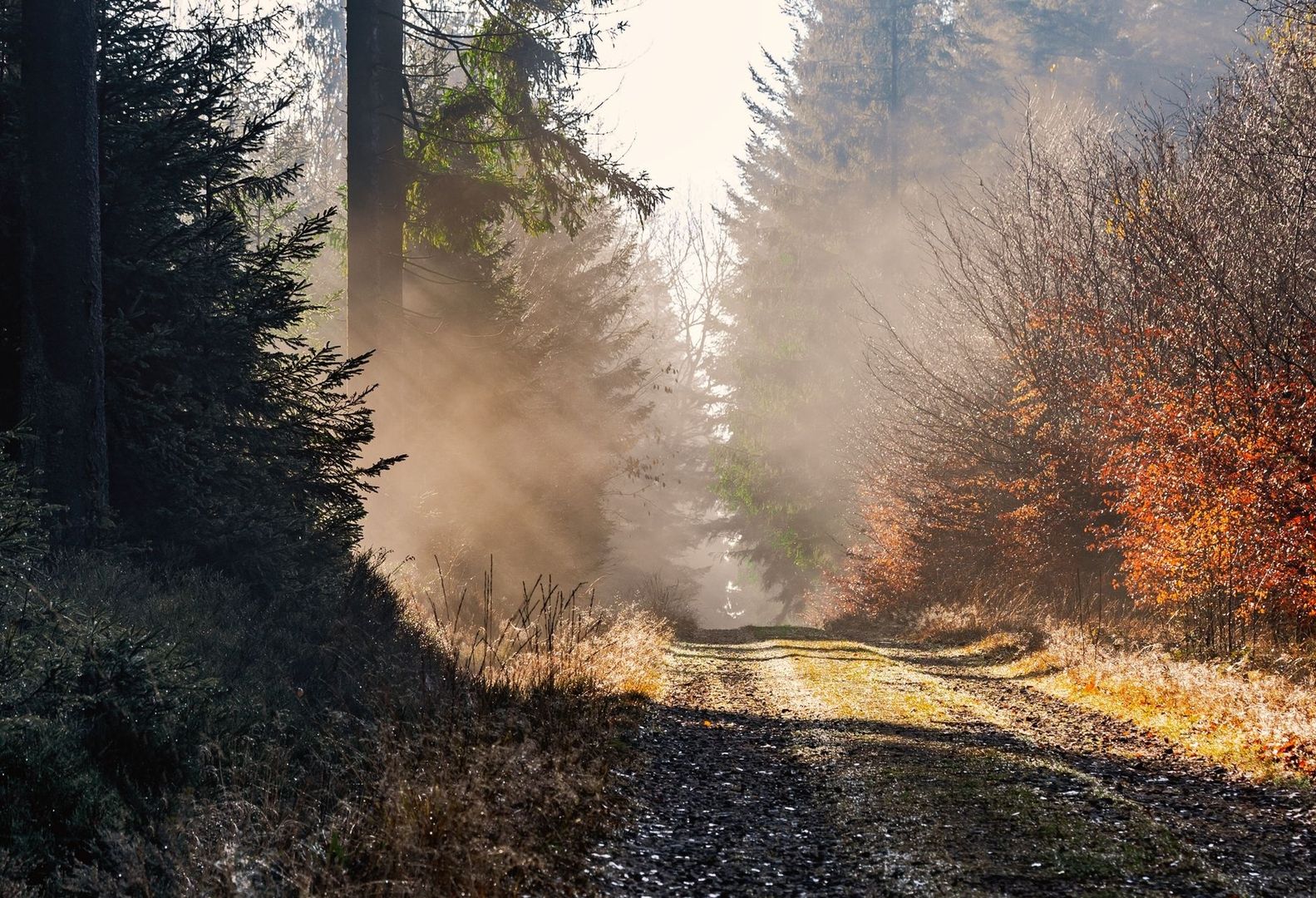
Quiet nature experiences are often most rewarding when they are approached without an agenda. Rather than measuring the walk by distance alone, notice the temperature on the face, the shifting light beneath the trees and the pattern of birdsong. Pause occasionally to identify a leaf, watch rain gather on a fern or listen for the difference between nearby and distant sounds. Guidance from Loughborough University on spending time in nature highlights the value of engaging the senses deliberately, with woodland, observation and regular contact with green spaces supporting a more mindful relationship with the outdoors.
To release pre-workweek tension, keep the first part of the walk deliberately simple. Leave the phone on silent, avoid discussing Monday commitments for the opening stretch, and breathe more slowly than usual. A useful pattern is to match attention to the senses: notice five visual details, four sounds, three tactile sensations and two scents. If rain becomes persistent, the walk need not be abandoned automatically. Suitable waterproof layers can make gentle weather part of the experience, provided the route remains safe and conditions are appropriate.
The walk can also serve as a bridge between the inn and home. By returning to the building with cool cheeks, clean air in the lungs and a little mud on the boots, guests carry a physical reminder of the landscape into the final hours of the stay. That small sense of completion is often more satisfying than a hurried departure made directly from the breakfast table.
Essential Route Preparation for Muddy Autumnal Rambles
Autumn countryside can change quickly. A path that appears straightforward in dry conditions may become slippery beneath fallen leaves, while shallow puddles can widen after overnight rain. Comfortable waterproof walking boots with dependable grip are therefore more useful than fashionable but unsuitable footwear. Add breathable layers, a lightweight waterproof jacket, warm socks and a spare layer for the return to the inn. A small rucksack should hold water, a charged phone, basic first aid and a simple map or downloaded route information.
Route selection deserves the same care as packing. Check the distance, estimated walking time, gradients, gates, stream crossings and surface conditions before setting out. Do not rely solely on a photograph or a broad description such as “easy walk”. Local information can clarify whether a route is suitable for a short Sunday morning, whether dogs are permitted, and whether recent weather has affected access. For wider British walking inspiration, VisitScotland”s walking guidance recommends trusted route resources with maps, terrain information and user reviews, and notes that guided walks can be useful when local knowledge or additional reassurance is needed.
The following comparison can help match the route to the time available:
| Trail type | Best suited to | Points to check |
|---|---|---|
| Short woodland loop | A pre-checkout morning with limited time | Slippery leaves, steep sections and the distance back to the inn |
| Riverside or estate path | A relaxed walk after breakfast | Flooding, muddy banks, livestock and seasonal closures |
| Longer mixed-terrain circuit | A midday outing where luggage arrangements are already settled | Gradients, daylight, navigation and weather exposure |
It is also wise to tell reception the intended direction and expected return time, particularly when the route extends beyond the immediate grounds. A reliable local map, sensible footwear and an honest assessment of fitness are more valuable than ambitious mileage. The purpose of a Sunday ramble is restoration, not proving endurance.
Graceful Checkouts and Late Departure Strategies
A calm departure is usually arranged before the morning begins. Ask reception whether a late checkout is available and whether it carries an additional charge, as policies vary by property and occupancy. If the room must be vacated at the standard time, enquire about secure boot-room or luggage storage. This simple arrangement can free guests to walk without carrying overnight bags or returning to pack in a hurry.
After the walk, a final pause in the lounge can complete the transition. Tea, coffee, warm cider where available, or a light refreshment by the fire gives the body time to settle before driving or beginning a longer journey. It is worth asking about the expected service time, especially if a fixed departure is necessary. A short interval between returning from outdoors and setting off is often enough to change the atmosphere completely.
A practical sequence keeps the morning serene:
- Pack most belongings the previous evening, leaving only sleepwear, toiletries and walking clothes.
- Check the weather and confirm the chosen route before breakfast.
- Ask reception about checkout, luggage storage and any post-walk refreshment options.
- Enjoy breakfast without keeping bags beside the table or watching the clock constantly.
- Take the walk with enough margin for muddy ground, pauses and changing conditions.
- Return boots, collect luggage and complete payment or key arrangements before settling for a final drink.
- Leave a small buffer for the journey, rather than turning the last hour into another race.
Where late checkout is not possible, the same principle still works. A well-organised bag, a confirmed storage arrangement and a clearly chosen short route can preserve the feeling of leisure. The objective is not to negotiate special treatment, but to communicate courteously and plan around the inn”s operational needs.
Carrying Sunday Peace Back Across the Threshold
The value of a slow Sunday does not end at the inn”s entrance. A few elements can be carried into ordinary mornings: eating breakfast while seated rather than standing, leaving the phone untouched for the first ten minutes, opening a window for fresh air, or taking a short walk before beginning work. These gestures are modest, but they preserve the attention and breathing room created by the countryside.
A country inn departure need not feel like an abrupt return to reality. With a lingering breakfast, a suitable woodland trail and a little preparation, the journey home becomes part of the restorative experience. When planning the next weekend, reserve deliberate space between waking and leaving, choose a route that genuinely suits the available time, and treat the final morning as part of the stay rather than an administrative afterthought. The most memorable luxury may be the freedom to remain, for a little longer, exactly where the pace feels right.