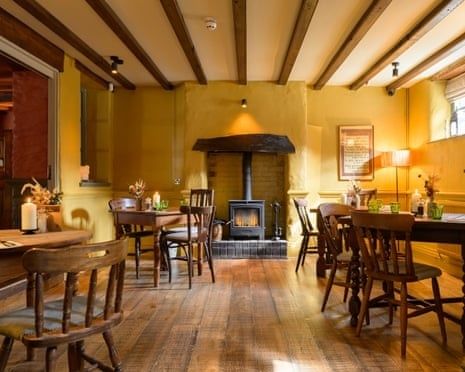
The Quiet Romance of Staying Put
Fine dining is meant to slow the evening down, yet the journey home can quietly impose a timetable on every course. The last train, the availability of a taxi, the question of who will drive, and the prospect of a dark rural road all sit at the edge of the experience. Even a beautifully judged menu can feel less generous when guests are calculating how quickly they must leave.
A bedroom upstairs changes the character of the night. Once the final plate has been cleared, there is no need to gather coats in haste or watch the clock between courses. Dinner becomes part of a complete retreat, with the pleasure of a quiet room, a later breakfast, and the sense that the destination itself, rather than the commute, is the occasion. The British restaurant with rooms has enduring appeal precisely because it answers a modern problem with an old-fashioned form of hospitality: arrive, dine well, and stay.
Escaping the Midnight Transport Calculation
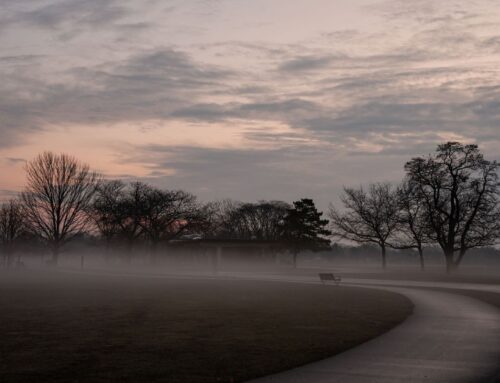
Rural and small-town hospitality can be wonderfully rewarding, but it often comes with more complicated logistics than an evening in a city centre. Taxi availability may be limited after dinner, public transport can become infrequent in the evening, and a journey that appears simple in daylight may feel considerably less inviting on an unlit country road. Rising fuel costs and operating overheads add another layer of pressure for drivers and local transport operators; reporting on Taxis, farmers and the Iran fuel crisis in the south of England highlights how quickly fluctuating transport costs and limited evening availability can disrupt travel plans across rural communities.
For the guest, the result is often a subtle form of mental friction. A couple may hesitate over a wine pairing because one person must drive, or leave a final course unfinished in spirit because the taxi has been booked for a precise time. The issue is not merely inconvenience. It changes how the evening feels. Instead of surrendering to the pace of the kitchen, guests remain partly engaged with the journey outside.
A restaurant with rooms removes that calculation almost entirely. The walk from dining room to bedroom may take only a few minutes, but its effect is considerable. There is no need to negotiate a designated driver, monitor a departure board, or decide whether a long journey is sensible after an indulgent meal. The evening can end when the hospitality naturally reaches its close.
| Traditional evening arrangements | Restaurant with rooms |
|---|---|
| Dining planned around the last train or taxi | Dining shaped by the pace of the menu |
| A designated driver may limit wine and pairings | Guests can consider the full drinks offering responsibly |
| Travel home follows a late meal | A comfortable room is immediately available |
| Weather, fuel and rural roads add uncertainty | Transport risk is reduced to a short indoor journey |
| The evening ends with packing and departure | The evening continues with an unhurried nightcap or rest |
The Art of the Unhurried Tasting Menu
Regional cooking is often most expressive when it is allowed to unfold gradually. A seasonal menu might begin with a small aperitif, move through carefully prepared vegetables, fish or meat, and finish with cheese, pudding and a final infusion. Each course has its own temperature, texture and rhythm. Rushing the sequence diminishes the work behind it, while an open-ended evening gives the kitchen and the table room to breathe.
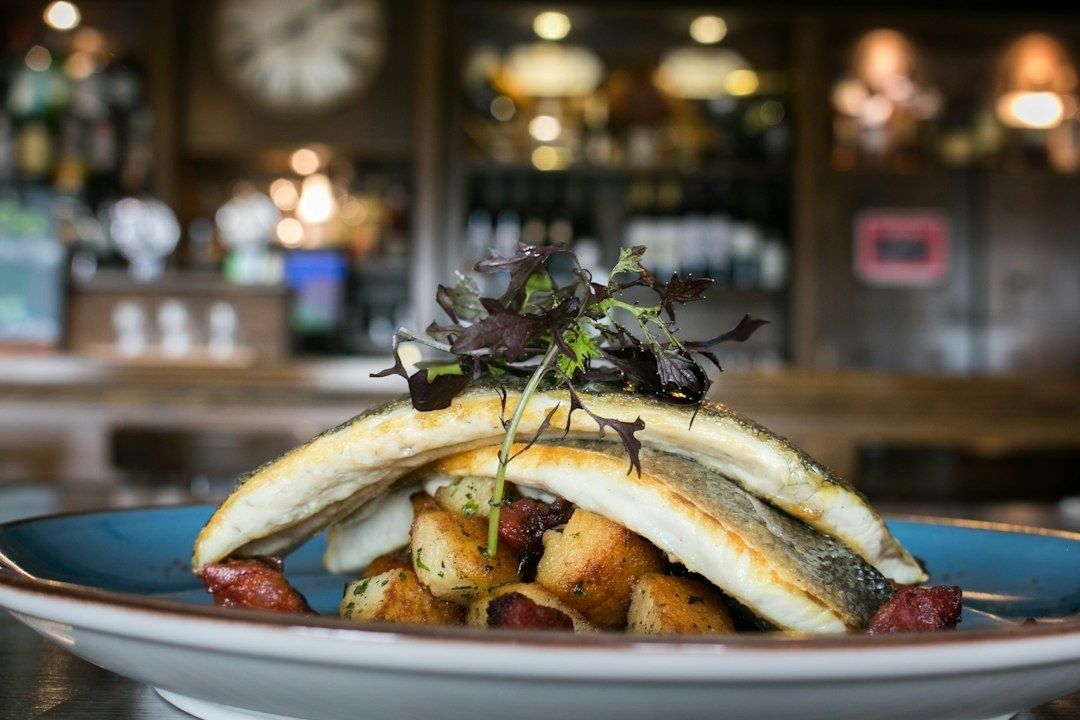
That freedom is particularly valuable when a restaurant”s identity is tied to its surroundings. Ingredients may reflect nearby farms, changing weather or the character of a particular landscape. The pleasure lies not only in what is served, but in noticing how the menu develops. A sauce can be discussed rather than hurriedly consumed; a dessert can be followed by coffee; a digestive aperitif can be enjoyed without the knowledge that a long drive is waiting outside.
Knowing that the bed is upstairs also changes the way wine and other pairings are considered. Responsible drinking remains essential, but removing the need to drive allows guests to engage more thoughtfully with the sommelier”s recommendations. The aim is not excess. It is attention: tasting the contrast between a bright aperitif and a richer course, or appreciating why a particular dessert wine has been chosen. Leading luxury hospitality brands such as Ritz-Carlton similarly place emphasis on immersive stays, distinctive settings and service that extends beyond a single meal.
- Allow enough time for every course rather than selecting a menu that must fit a transport window.
- Ask in advance whether wine pairings, non-alcoholic pairings or digestifs are available.
- Check whether the bedroom is directly above the restaurant or in a separate building on the property.
- Confirm breakfast times before booking, particularly if a late dinner is planned.
- Let the restaurant know about allergies, celebrations and accessibility requirements before arrival.
Britain and the Revival of the Innkeeper’s Craft
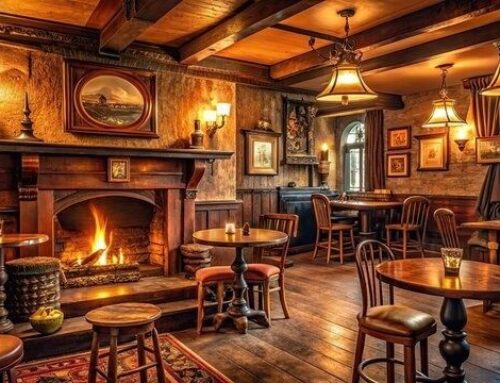
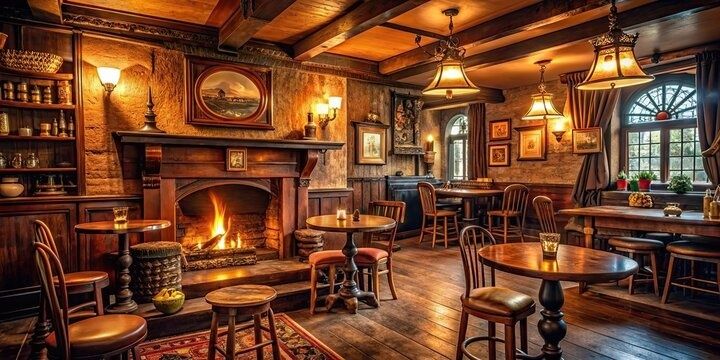
The restaurant with rooms belongs to a long British tradition. Historic coaching inns offered travellers food, warmth and somewhere to sleep, creating social spaces where local life and long-distance journeys met. Their importance was practical, but it was also cultural. The inn was often a place to hear news, exchange stories and experience the character of a town or village through its hospitality.
Modern independent restaurateurs are renewing that model with a more considered approach to both sides of the experience. The kitchen may be ambitious and highly regional, while the accommodation is intimate, individual and attentive to detail. A dining pub or small country inn can therefore offer the pleasures of a destination restaurant without the formality of a conventional hotel. The dining room, bar, bedrooms and surrounding landscape are treated as parts of one coherent stay.
The appeal of Britain”s pub and hospitality heritage is reflected in VisitBritain”s guide to pubs and inns, an Authoritative Source that highlights their historic role in food, drink and local culture. A true restaurant with rooms should feel distinct from a generic chain hotel in several ways.
- A recognisable sense of place: Architecture, materials, artwork and food should relate naturally to the building and its surroundings.
- A kitchen with a point of view: Menus should show care in sourcing, seasonality and preparation rather than simply offering a broad list of familiar dishes.
- Thoughtful bedrooms: Good bedding, effective sound insulation, proper lighting and well-equipped bathrooms matter as much as decorative charm.
- Personal hosting: Staff should understand the rhythm of a dining stay, from discreet arrival arrangements to sensible breakfast guidance.
- Consistency across the property: The standard of the bedroom, service and morning meal should support the quality promised by the restaurant.
Morning After: The Overlooked Second Half of the Experience
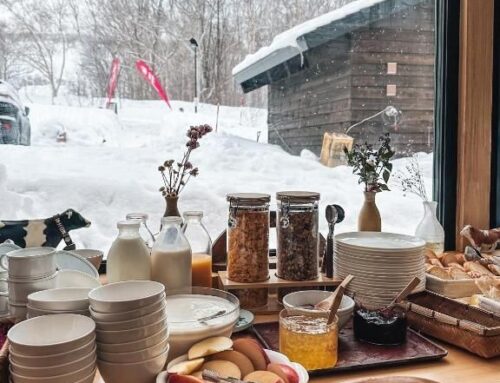
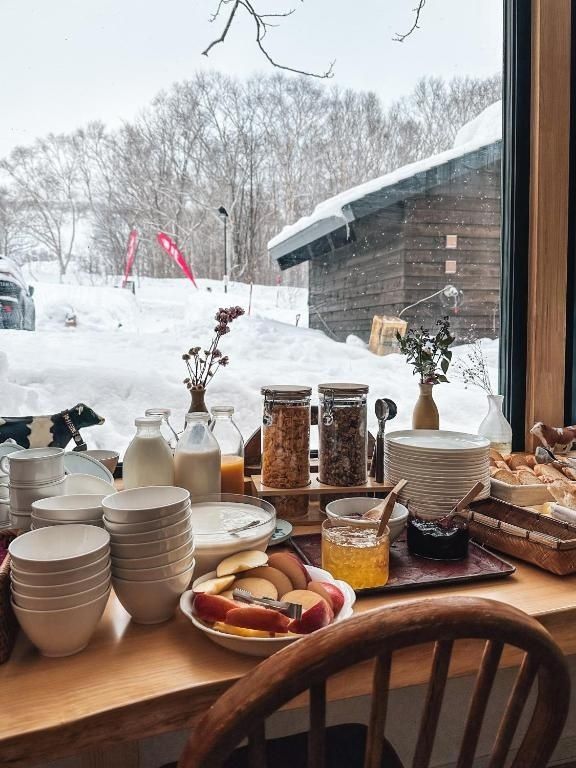
The morning reveals the full value of staying overnight. Rather than waking early to pack, settle a bill and begin a lengthy journey, guests can descend at a relaxed pace for fresh coffee, warm sourdough and a quieter dining room. The same setting that felt intimate and atmospheric the previous evening may appear entirely different in daylight, with details of the building and landscape coming into view.
Breakfast also gives the meal time to settle into memory. Flavours that seemed fleeting during a multi-course dinner become easier to consider after rest. A conversation about a particular dish can continue over tea, while the absence of an immediate departure creates a more generous sense of time. For couples, that unhurried morning can be as valuable as the dinner itself, especially when the stay marks a birthday, anniversary or long-awaited break.
Choosing the right property requires a little planning. The strongest experiences usually come from places that treat the bedroom as an essential part of the offer rather than an afterthought. Before booking, consider the following steps.
- Check the dining and accommodation arrangement. Establish whether the rooms are on site, whether the restaurant serves dinner on the intended date, and whether the booking includes breakfast.
- Plan arrival sensibly. Arriving with enough time to settle in makes the evening calmer. Ask about parking, luggage assistance, late arrival procedures and any accessibility considerations.
- Review the menu and dietary options. A tasting menu may require advance notice for allergies or dietary preferences. Confirm whether alternatives are available before committing.
- Assess comfort as carefully as cuisine. Look for information about bed quality, bathroom facilities, heating, air conditioning, noise and the distance between the dining room and bedrooms.
- Allow space for the morning. Avoid scheduling an early onward journey if the purpose of the stay is restoration. A late breakfast or a short local walk can complete the experience.
Trade the Journey Home for an Upstairs Key
The finest luxury is often measured in time rather than ornament. A room upstairs gives an excellent dinner the freedom to become an entire evening, removing the small negotiations that make guests hurry, compromise or leave before they are ready. It protects the mood created by the kitchen and allows service, conversation and atmosphere to continue at their natural pace.
For the next celebratory meal, an overnight stay is worth considering as part of the reservation rather than as an optional extra. Choose a property with a distinctive setting, a serious kitchen and bedrooms designed for proper rest. Then let the evening unfold without the commute home. The most memorable table may be the one that comes with an upstairs key.