The Quiet Luxury of Shifting the Calendar
Standard weekend breaks often begin before the escape has properly started. Roads are busy, popular estates fill quickly, restaurant reservations become a matter of careful timing, and even a much-anticipated country house can feel governed by the clock. By Sunday evening, the return journey and the approaching working week may already be competing with the pleasure of having been away.
A Tuesday-to-Thursday stay offers a more considered rhythm. With fewer leisure travellers arriving at the same time, you can settle into a room without haste, enjoy an unhurried dinner and allow the surrounding countryside to set the pace. The wider move towards shoulder-season travel reflects this appetite for quieter, more flexible journeys. Recent travel reporting has noted rising demand for periods outside the traditional summer peak, as guests seek better value, more comfortable conditions and relief from overcrowding.
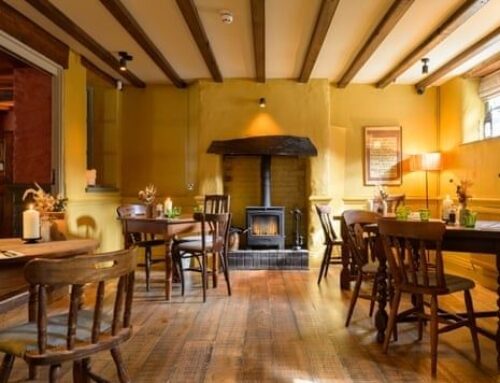
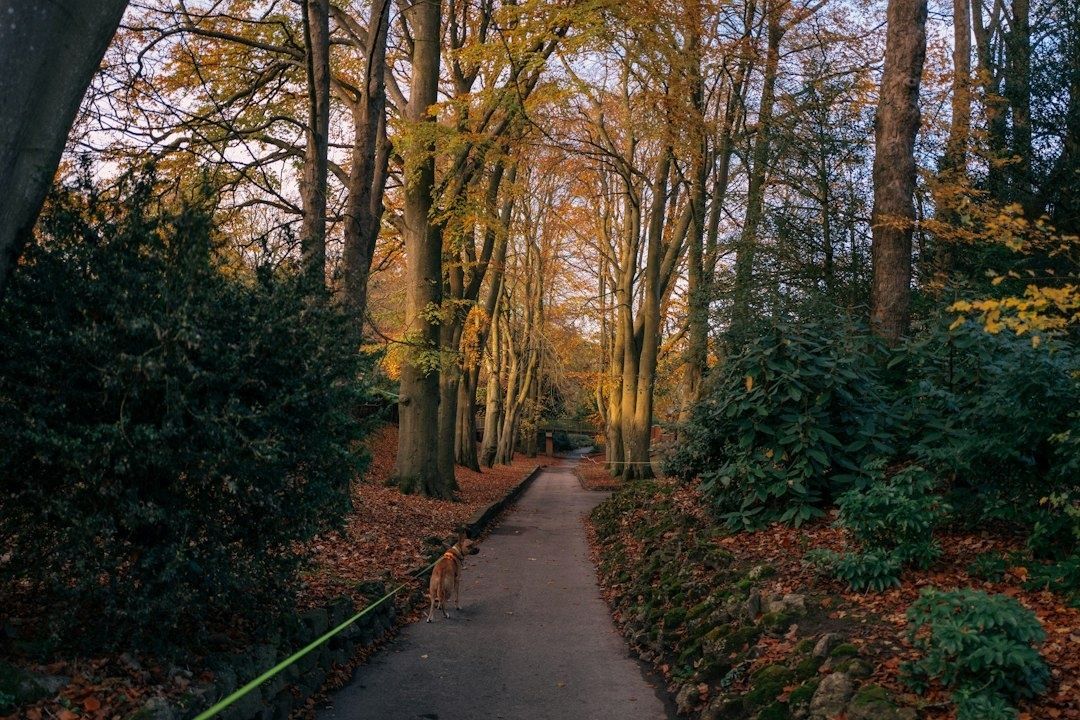
Late autumn is particularly well suited to this kind of pause. Beech leaves turn copper, paths soften beneath fallen foliage, and woodsmoke hangs lightly in the cooler air. There is still plenty to see and do, but the landscape feels less performative than it does in high season. A quiet lane, a fireside table and a woodland walk can provide precisely the gentle change of scene needed by professionals with flexible working arrangements and couples looking for restorative time together.
Why the Midweek Cadence Transforms Hospitality
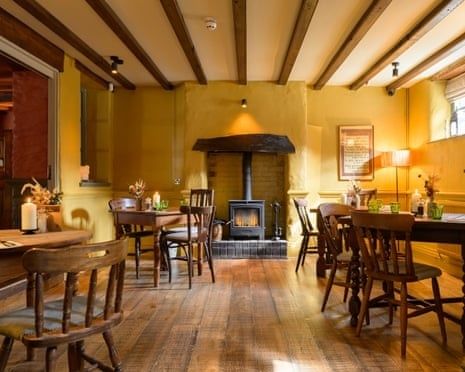
The difference begins with the atmosphere inside the hotel. On a busy Friday or Saturday, reception teams, restaurant staff and housekeepers may be managing a concentrated wave of arrivals, requests and departures. Midweek, the same service can feel more spacious. Staff have greater opportunity to explain local walking routes, suggest a suitable table, arrange a later breakfast where available or help adapt plans when rain changes the day.
This is not simply a question of speed. Attentive hospitality is often at its best when conversation is possible. A well-placed recommendation from someone familiar with the surrounding lanes can make the difference between a pleasant walk and an especially memorable one. The quiet of a Tuesday also makes it easier to enjoy the details of a stay, from the warmth of a lounge to the pacing of a carefully prepared dinner.

Dining benefits in a similarly practical way. Prime fireside tables and well-regarded country house dining rooms are generally easier to request before the weekend rush, although availability should always be confirmed directly with the property. The contrast can be understood clearly:
| Weekend pattern | Tuesday-to-Thursday rhythm |
|---|---|
| Concentrated arrivals and heavier traffic | More measured journeys and calmer check-in periods |
| Popular dining times may fill rapidly | Greater choice of tables and dining times, subject to availability |
| Shared paths and attractions can feel busy | More peaceful walks and easier access to quieter viewpoints |
| A short stay may feel tightly scheduled | Time for pauses, conversation and spontaneous adjustments |
That sense of breathing room extends beyond the hotel. When exploring historic public grounds and formal landscapes, practical local information is valuable. The Aberdeen City Council guide to Duthie Park is a useful example of how municipal resources can help visitors understand the character and facilities of a public green space before setting out. Quiet weekday visits often allow the gardens and paths to be appreciated without the pressure of peak footfall.
Solitude on the Trails and Golden Landscapes
Britain”s autumn landscapes reward a slower eye. In woodland, colour changes by species and by exposure, so a single walk may move from green bracken and moss to yellow birch, russet oak and the deep copper of beech. Morning mist can soften distant hills, while low sunlight picks out wet tree trunks and the texture of fallen leaves. Forestry England”s guide to autumn walks encourages visitors to notice the season through sight, smell and sound, rather than treating a walk merely as a route between two points.
Midweek travel makes these details easier to savour. Car parks are less likely to feel congested, viewpoints can be enjoyed without competing for space, and a couple can stop beside a stream or old tree without feeling obliged to move on. Across the country, options range from gentle landscaped gardens to more demanding forest and hill walks. Stourhead in Wiltshire, for example, combines a Palladian villa and lake with temples, ancient woods, wider countryside and marked routes leading towards features such as Alfred”s Tower. Conditions and access vary, so check the estate”s current information before travelling.
For a stay built around seasonal scenery, consider these possibilities:
- Historic landscapes: Stourhead offers formal gardens, water, architectural viewpoints and wider countryside, creating a satisfying combination of culture and walking.
- Ancient woodland: The New Forest brings together old trees, open heath, streams, wildlife and traditional villages, while routes at Allen Banks and Savernake Forest offer distinctive woodland character.
- Riverside scenery: Strid Wood follows the River Wharfe, while Lanhydrock in Cornwall pairs a forest and riverside route with a historic house.
- Highland atmosphere: Loch Ard Forest, Glen Affric and other Scottish settings offer open views, lochs, wooded paths and a stronger sense of remoteness.
- Specialist seasonal colour: Westonbirt Arboretum is known for its varied tree collection, including Japanese acers, while Borrowdale combines rich woodland textures with the dramatic setting of the Lake District.
Formal gardens can be just as restorative as wilder trails. Victorian landscaped grounds, in particular, offer clear paths, generous lawns and sheltered corners that suit a gentle morning or late afternoon stroll. The background and enduring appeal of Duthie Park illustrates how designed green spaces can provide a calm alternative to busier attractions. Before setting out, check opening arrangements, admission details, accessibility information and any seasonal closures, as these can change during late autumn.
The Restorative Psychology of the Midweek Pause
A midweek break changes more than the timetable. It interrupts the familiar cycle in which Monday is spent recovering from the weekend and Sunday evening is coloured by anticipation of work. Taking Tuesday and Wednesday away can create a cleaner psychological boundary. The return to work is no longer looming over the final hours of the weekend, and the break can be shaped around genuine recovery rather than a compressed attempt to fit in everything at once.
Autumn also naturally encourages a more attentive kind of rest. Cooler air makes a walk refreshing, while changing light and seasonal wildlife provide gentle points of focus. Forestry England”s material on autumn walks connects woodland visits with mindfulness and forest bathing, and the practical advice is pleasingly simple: wrap up warmly, wear suitable walking boots and take a flask. The value lies less in completing a particular distance than in allowing the senses to settle.
A 48-hour stay can be arranged with enough structure to feel purposeful and enough space to remain restful:
- Tuesday afternoon: Arrive without overloading the schedule. Settle into the room, take tea or a drink in a quiet lounge, and make an easy local walk before dinner.
- Tuesday evening: Choose a relaxed dining time, then return to the fire or a comfortable room rather than seeking another activity. A good night”s sleep is part of the itinerary.
- Wednesday morning: Begin with breakfast and a woodland or estate walk. Keep the route within the group”s ability, allowing time for photographs, viewpoints and pauses.
- Wednesday afternoon: Return for a warm shower, a treatment where available, reading or a quiet lunch. If the weather turns, a historic house, gallery or bookshop can provide a softer alternative.
- Wednesday evening: Enjoy the principal dinner of the stay, with time for conversation and no need to hurry towards a late-night journey.
- Thursday morning: Take a final short walk, breakfast slowly and depart with practical travel time built in, rather than extending the stay until the last possible minute.
Seasonal events can add a modest cultural focus without making the break feel busy. Wallington”s Autumn Photography Exhibition 2026, for instance, displays photographs of autumn colour, wildlife and close-up details through its woodland. The event page states that booking is not required and that the exhibition itself is free, although normal venue admission charges apply. It also advises suitable clothing for the outdoor walk and notes that the house is closed from 2 to 27 November 2026, a useful reminder to check current arrangements before planning a visit.
Planning the Perfect Autumn Escape
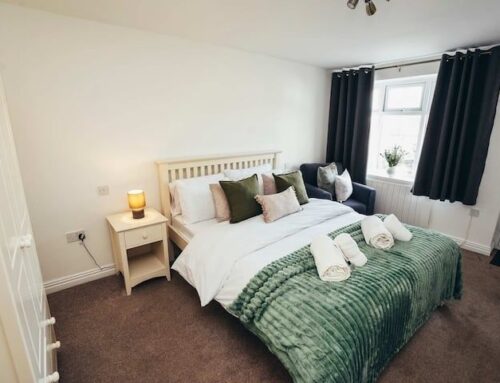
The right accommodation should support the purpose of the break. Boutique inns, country house hotels and rural retreats with a comfortable lounge, dependable dining and well-considered local knowledge are especially suitable. Look for clear information about check-in, parking, walking access, restaurant opening days and room features. A midweek stay is not improved by discovering that the dining room is closed on one of the evenings or that the most attractive trail requires a longer transfer than expected.
Pack for variation rather than for an ideal forecast. Autumn in Britain may offer bright sunshine at lunchtime and damp woodland by mid-afternoon. Comfortable waterproof footwear, warm layers, a light waterproof jacket, gloves and a hat are sensible foundations. Add a small day bag, a refillable water bottle, a torch for darker paths and a flask if the accommodation or local area permits it. For evenings, smart-casual clothing that works comfortably in a dining room and beside an open fire is usually more useful than formal attire.
- Check the hotel”s midweek dining and spa arrangements before arrival.
- Confirm current opening dates, access conditions and admission requirements for estates and attractions.
- Choose walking routes according to daylight, terrain, weather and personal fitness.
- Allow extra time for rural roads, wet leaves and reduced visibility.
- Download or save route information where mobile coverage may be inconsistent.
- Consider taking a seasonal guidebook or illustrated countryside publication for quiet reading; the National Trust Shop offers gardening, cookery and other carefully produced titles suitable for a fireside afternoon.
Reclaim Your Autumn Rhythm
A Tuesday-to-Thursday escape offers a rare combination of comfort and spaciousness. There is time to notice the copper canopy, hear water moving beneath a bridge and return from a walk before dusk. Dining feels less hurried, service can become more personal, and the countryside reveals itself without the background pressure of weekend crowds.
For travellers with flexible schedules, shifting the calendar is a small decision with an outsized effect on the quality of a break. Choose a well-placed rural retreat, plan one or two seasonal walks and leave room for fireside stillness. At its most atmospheric, Britain”s late autumn countryside does not demand an ambitious itinerary. It asks only that you arrive with enough time to be there properly.