The Quiet Art of Settling In Away from Home
After a long journey, an unfamiliar bedroom can feel subtly alert rather than immediately restful. The mattress may be comfortable, yet the room carries a different scent, the curtains admit a sliver of unfamiliar light, and distant plumbing or traffic seems unusually noticeable. For discerning travellers, the difference between an ordinary night and genuinely restorative sleep often lies not in the room”s price or size, but in a handful of carefully considered details.
Sleep researchers describe this response as the “first-night effect”. In a new environment, part of the brain may remain watchful, scanning unfamiliar sounds and surroundings while the rest attempts to settle. The encouraging news is that a hotel room need not remain psychologically foreign. With a few hospitality-inspired adjustments to light, temperature, fabric, sound and routine, you can gently reclaim the space and turn a temporary bedroom into a personal sanctuary.
Understanding the First-Night Effect and Nervous System Vigilance
The first-night effect has deep evolutionary roots. Human beings have always needed to distinguish between the familiar shelter of home and a new place where potential risks are unknown. A different arrangement of furniture, a detergent scent on the linen, a lift stopping in the corridor or the intermittent murmur of a city street can all prompt a low level of neurological vigilance. The response is not a sign that anything is wrong with the room, nor is it evidence that you are poor at sleeping while travelling. It is the nervous system performing an old protective task.
That vigilance can make it harder to move smoothly through the deeper stages of sleep. Physical tension in the jaw, shoulders or stomach may remain even after you have switched off the bedside light. Repeatedly checking the time, listening for the next unfamiliar sound or mentally reviewing the following day reinforces the impression that the environment requires supervision. In turn, fragmented sleep can reduce the restorative value of slow-wave sleep and REM sleep, leaving you less refreshed even when you have spent sufficient hours in bed.
The most useful response is not to demand instant sleep, but to provide the body with consistent cues of safety. Keep the room cool, dark and quiet where possible, follow a familiar wind-down sequence, and avoid treating one restless night as a personal failure. A predictable routine helps reset biological cues after travel, particularly when crossing time zones or arriving late. Guidance on structured sleep habits from the Royal Berkshire NHS sleep hygiene guidance offers a sound foundation for calming an over-alert system.
Calibrating the Climate for Deeper Rest
Temperature is one of the most influential elements in a bedroom. As sleep approaches, the body naturally begins to reduce its core temperature, a change closely associated with the onset of sleepiness. A room that is too warm can interfere with this process, increase restlessness and contribute to more frequent awakenings. Excessive heat may also reduce the amount of restorative REM sleep. For most adults, a bedroom temperature of approximately 15 to 19 degrees Celsius is a useful starting point, although personal comfort, clothing and bedding remain important.
Hotel thermostats can be surprisingly imprecise, so treat the displayed setting as a guide rather than an absolute guarantee. After setting the temperature, spend a few minutes noticing how the air moves across the bed. A direct draught from an air-conditioning unit may cool one shoulder while leaving the rest of the room warm. Conversely, dry heating can irritate the throat and nose, particularly after a flight. Adjust the vent away from the pillow, reduce the fan speed, request an alternative room if the system is excessively noisy, or ask reception whether a humidifier or additional bedding is available.
Creating an ideal thermal environment is essential for sound sleep, whether you are resting in a luxury boutique hotel or testing the comfort of bespoke mattresses at home. A brief room check can prevent hours of discomfort:
- Set the thermostat within the 15 to 19 degree Celsius range, then reassess after ten minutes.
- Ensure air-conditioning or heating is not blowing directly towards your face or upper body.
- Choose breathable sleepwear and ask for a lighter or heavier duvet if needed.
- Check whether the window can be opened safely for fresh air, while considering outside noise and security.
- Keep water beside the bed if heated air leaves your mouth or throat feeling dry.
Softening the Sensory Landscape with Breathable Linens and Acoustic Buffers
Touch is a quiet but powerful part of settling into an unfamiliar bed. Some hotel bedding is made from tightly woven or synthetic-rich fabrics that feel smooth at first contact but may retain heat or create a less familiar texture. Natural fibres such as cotton, linen and linen-cotton blends tend to offer greater breathability. Linen can feel pleasantly relaxed and textured, while cotton contributes softness and a more familiar hand. A blend may be particularly practical because it can retain linen”s airflow and durability while reducing the pronounced creasing associated with pure linen.
Portable comfort does not need to be elaborate. A familiar pillowcase, a lightweight travel throw or a small fabric item carrying a recognisable scent can provide a reassuring sensory anchor. If using a lavender spray, apply only a very light amount to an appropriate fabric and check that fragrance will not irritate you or fellow guests. Personal preferences matter: a scent that feels calming to one traveller can be distracting to another, so familiarity is more valuable than intensity.
| Challenge | Practical buffer | Why it helps |
|---|---|---|
| Hallway doors and intermittent voices | Non-looping sound masking or a fan placed away from the bed | Creates a steady sonic floor that makes abrupt noises less prominent |
| Warm, clammy or unfamiliar bedding | Breathable cotton, linen or linen-cotton layers | Supports airflow and helps manage moisture and temperature |
| Street lighting or electronic glare | Blackout curtains, an eye mask or a folded garment over small safe light sources | Reduces visual stimulation during the night |
| Unfamiliar tactile sensations | Personal pillowcase or compact travel textile | Introduces a recognisable texture without altering the room |
Sound masking is most effective when it is continuous and non-looping. A repeating recording can become another pattern for the brain to detect, whereas a steady fan-like sound smooths the contrast between silence and sudden hallway or street noise. Keep the volume low enough that it does not dominate the room. The aim is not to create a new attraction, but to soften the acoustic landscape so that the nervous system has fewer changes to monitor.
The Evening Sanctuary Protocol for Any Hotel Room
A calm arrival routine gives you authority over the room before fatigue turns small inconveniences into major irritations. Rather than dropping luggage beside the bed and immediately reaching for a screen, take a few unhurried minutes to inspect the environment. Notice the route to the bathroom, identify the light switches, locate the thermostat and place essential items where they will be easy to reach in the dark. This simple orientation reduces the need for alertness later.
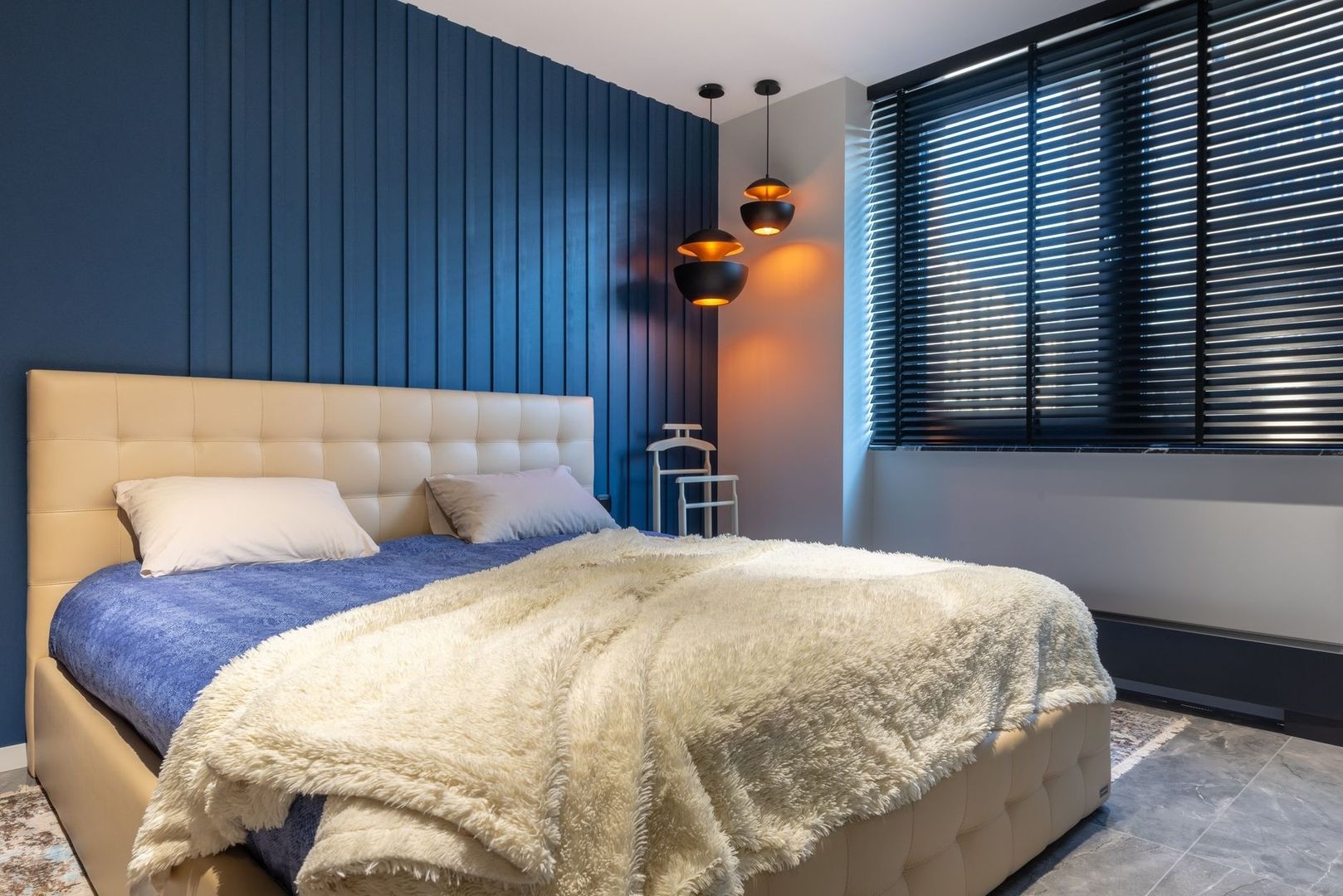
Blackout is worth treating as a practical task rather than a decorative detail. Walk around the curtains and look for gaps at the centre, along the sides and beneath the fabric. Hotel clothes pegs or small clips can hold curtains together, while a rolled towel may reduce light entering beneath a door. Avoid obstructing ventilation or emergency equipment. Check for bright appliance displays, a blinking smoke detector or a strip of light beneath the entrance door. Where appropriate, turn displays away from the bed or cover small non-essential LEDs with a removable piece of opaque material, never covering safety equipment.
- Place your luggage where it will not create a trip hazard, then orient yourself to the room.
- Set the temperature and adjust the air flow so the bed feels evenly comfortable.
- Close and secure curtain edges, checking the room from the pillow”s viewpoint.
- Reduce unnecessary lighting, including television standby displays and bright bedside indicators.
- Prepare water, medication and morning essentials before beginning your wind-down.
- Dim screens or put them aside, then repeat one familiar cue such as reading, stretching or quiet breathing.
Keep the final hour deliberately uncomplicated. Warm, low-level light is generally less stimulating than bright overhead lighting, and avoiding work emails in bed helps separate the bedroom from the demands of travel. A short shower, gentle stretches or several slow breaths can release the physical tension accumulated during transit. The CDC NIOSH guidance on biological sleep rhythms explains why protecting circadian cues from environmental disruption matters, particularly when fatigue and irregular schedules already challenge the body clock.
Awake Refreshed Wherever Your Travels Lead
A restful hotel night is rarely created by one dramatic change. It is curated through small decisions that tell the brain the room is safe, predictable and ready for sleep. A cooler thermostat, a properly closed curtain, a steady sound floor, breathable layers and a familiar evening ritual can collectively make an unfamiliar bedroom feel considerably more settled.
The traveller who takes these steps is no longer simply receiving whatever environment happens to be provided. You become an attentive curator of your temporary sanctuary, adapting the room without demanding perfection from it. Whether the stay is a single business night or part of a longer holiday, this quiet protocol offers a reliable way to arrive, unwind and wake with greater composure wherever the next journey leads.