The Country Escape Dilemma
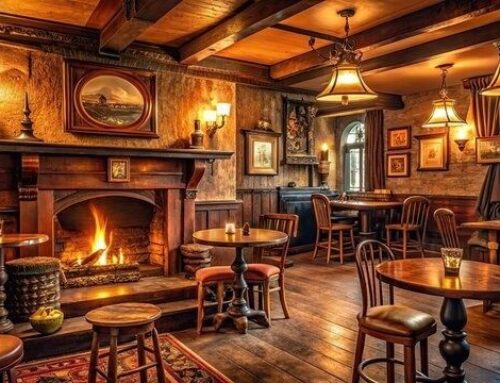
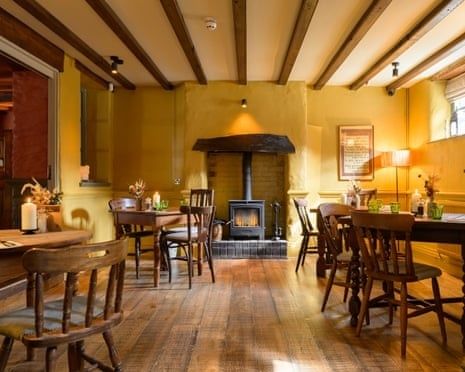
A country-house weekend promises an appealing change of pace: a damp morning among woodland paths, a restorative pause beside a fire, and an unhurried dinner served beneath the soft glow of candlelight. The difficulty lies in dressing for all three moments without arriving with a case that resembles a small wardrobe department. Mud, drizzle and uneven ground demand practical clothing, while a drawing room, afternoon tea or intimate restaurant calls for something more composed.
Traditional packing lists often solve this problem by adding separate outfits for every occasion. The result is bulky luggage, duplicated shoes and garments that feel either too technical for the dining room or too delicate for the trail. A more intelligent capsule uses three or four strategic transitions: breathable foundations, refined mid-layers, a weatherproof outer shell and footwear capable of moving between parkland and polished interiors. The aim is not to dress identically from breakfast to dinner, but to make each change feel deliberate and effortless.
Foundation Fibres for Damp Mornings and Cosy Lounges
The most useful country-escape fabrics work quietly against changing conditions. Ultra-fine merino wool is especially effective as a base layer because it can help regulate temperature, manage moisture and resist odour during a full day of movement. A silk and merino blend brings a smoother hand feel beneath knitwear, while remaining sufficiently breathable for a walk followed by a warm lounge. These natural fibres are often more comfortable than bulky synthetic fleeces, particularly when you move from cool gardens into a room warmed by a roaring log fire.
For the lower half of the outfit, tailored trousers in technical water-repellent wool offer an unusually broad range. Their neat drape is appropriate for a hotel dining room, yet a close weave and discreet finish can cope with light rain, damp benches and well-used paths. Choose a mid-weight cloth with a little stretch, a darker neutral shade and a clean break over the shoe. The same trousers can be worn with a merino polo for a morning ramble, then paired with a crisp shirt and fine-gauge jumper in the evening.
The principle is especially helpful when exploring a heritage setting such as Canyon Inn at McCormick’s Creek State Park, where hiking trails, canyon views, historic features and a comfortable inn setting invite several different kinds of day. A reliable base layer keeps the outfit comfortable while you move between outdoor attractions and indoor rest. It also reduces the temptation to pack a separate change for every short excursion.
- Base layer: fine merino or a silk-merino blend in a neutral, close-fitting style.
- Trousers: technical wool with a water-resistant finish, enough stretch for walking and a tailored silhouette.
- Indoor layer: a fine-gauge crew neck, polo neck or cardigan that can be removed easily near a fire.
- Colour palette: charcoal, tobacco, olive, navy and cream, allowing every piece to work with at least two others.
The Four-Piece Transition Matrix
A compact wardrobe becomes easier to plan when each principal garment has a clear day-to-night role. The following matrix keeps the focus on transformation rather than duplication.
| Daytime requirement | Evening transformation | Practical consideration |
|---|---|---|
| Merino base layer | Worn beneath a jacket or cardigan | Controls temperature without visual bulk |
| Technical wool trousers | Combined with a shirt, silk scarf or refined knit | Resists light moisture while retaining tailored structure |
| Waxed or technical field jacket | Removed before dining, or draped neatly over a chair | Protects against drizzle and wind without looking overtly sporty |
| Goodyear-welted Chelsea boots | Polished and paired with tailored trousers | Offers weather protection with a suitably elegant profile |
Outerwear is the most visible bridge between country practicality and hospitality. A waxed field jacket brings texture and heritage character, while a technical shell in a restrained colour provides lighter protection for wetter forecasts. Either works over unstructured tailoring, particularly a soft-shouldered jacket or knitted blazer. Avoid excessive pockets, bright contrast panels and highly branded details if the same garment is expected to accompany you into a refined hotel setting.
Footwear should be selected with equal care. A Goodyear-welted Chelsea boot with a discreet lug sole has enough grip for firm woodland paths and enough polish for a dining room. Burnished calf leather adds warmth and character, while elastic side panels make the boot easy to remove at the end of the day. In a relaxed waterfront setting such as Aberdeen Bar & Restaurant, where Northwoods cooking is served in a comfortable log-lodge atmosphere, the right boot feels practical without becoming visually heavy.
Styling Riverside Walks and Winter Gardens
Formal grounds, arboretums and winter glasshouses call for layers that breathe rather than layers that merely insulate. A lightweight merino cardigan or knitted jacket is more versatile than a thick fleece because it can be worn beneath a field coat outdoors and remain presentable when the coat is removed indoors. A fine quilted gilet can also work well, provided it is sufficiently streamlined to sit beneath outerwear and does not introduce unnecessary bulk around the shoulders.
Accessories provide some of the greatest return on packing space. A cashmere scarf can be folded into a narrow rectangle and placed at the top of a case, ready to add warmth to a riverside walk or softness to an evening jacket. Leather gloves occupy little room, protect hands from cold railings and gates, and immediately make a simple coat appear more considered. Choose accessories in related tones rather than identical colours, such as a tobacco scarf with dark brown gloves or a stone scarf with navy outerwear.
Weather management is part of good guest etiquette. Before taking a seat for afternoon tea or dinner, remove visible leaves, brush dried soil from trouser hems and allow damp outerwear to air rather than folding it into a confined wardrobe. Many hotels have a cloakroom or can direct guests towards a suitable place for wet coats, so there is no need to carry a dripping jacket through the dining room. A small absorbent cloth, kept in an outer pocket, can be useful for wiping boots before entering the hotel.
- Before leaving: check that the base layer is comfortable beneath every planned mid-layer and that trouser hems will not catch on wet ground.
- On returning: remove the outer shell promptly, brush off loose debris and place boots on a towel or tray rather than directly on carpet.
- Before dining: freshen the collar, smooth the jacket, change into dry socks if necessary and polish away any obvious marks from the footwear.
- For garden visits: carry the lightest weather-resistant layer that meets the forecast, rather than a heavy coat designed for harsher conditions.
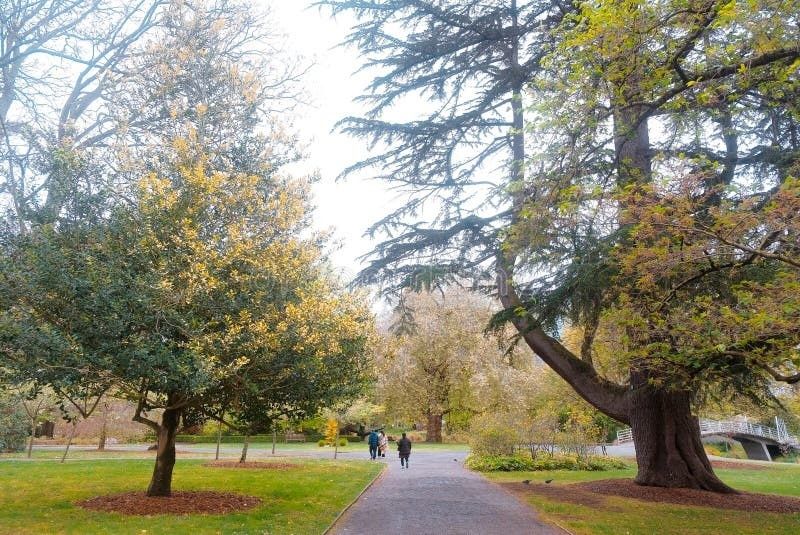
The same approach suits an urban horticultural visit as well as a rural estate. Whether exploring a dramatic coastal landscape or enjoying the formal planting and glasshouse atmosphere of Duthie Park”s historic gardens, a lightweight weather-resistant outer layer helps preserve a composed appearance. It can be folded over an arm or placed discreetly in a cloakroom once you return to the warmth.
Effortless Footwear and Evening Accents
The ideal hybrid shoe is not an outdoor boot disguised as formalwear. Look instead for a proportionate silhouette, burnished or smooth calf leather and a sole with discreet lugs rather than an aggressively deep tread. A Chelsea boot, plain Derby or restrained country brogue can all work, depending on the formality of the hotel. The construction should be robust enough for damp paths, while the upper should respond well to brushing and a light application of suitable conditioner.
Hotel-room care need not become an elaborate ritual. Remove insoles if they are damp, stuff the shoes loosely with folded paper and leave them away from direct heat. Brush mud from the welt and upper once it has dried, then wipe the leather with a barely damp cloth. Clothing benefits from similar restraint: hang trousers and jackets where air can circulate, use the bathroom steam briefly to relax creases, and avoid applying fragrance directly to wool or silk.
- Pack a compact clothes brush for cuffs, collars and trouser hems.
- Carry a small tin of neutral shoe cream rather than several specialist products.
- Choose socks in merino or a fine wool blend, with one spare pair reserved for the evening.
- Add one polished accent, such as a silk pocket square, discreet watch or textured belt.
- Keep evening grooming simple: clean hands, tidy hair and a fresh collar often matter more than additional accessories.
The final transformation should be subtle. Replace a weathered field jacket with a soft blazer or wear the same knit beneath a collared shirt. Change into dry socks, brush the boots and add a scarf or pocket square in a quiet complementary shade. This is enough to signal that the day”s walking has ended without requiring a second pair of shoes, a formal suit or an additional evening bag.
Step into Your Next Weekend Escape with Confidence
A successful parkland capsule wardrobe is built around intention rather than quantity. Technical natural fabrics keep the body comfortable through damp mornings and overheated lounges. Tailored water-resistant trousers provide continuity between the trail and the drawing room. A refined mid-layer gives the outfit structure, while a waxed or technical field jacket supplies practical protection without compromising the atmosphere of a country-house stay.
Pack with movement in mind: one foundation, one versatile trouser, one adaptable mid-layer, one weatherproof outer garment and footwear that can be cleaned and polished with ease. Add compact accessories, allow wet pieces time to air, and reserve your most visible evening adjustment for a dry collar, cared-for boots and a well-shaped jacket. Understated luxury is often found in precisely this kind of practical minimalism, allowing you to move from wild paths to candlelit tables with comfort, confidence and considerably less luggage.